
Geographic coverage
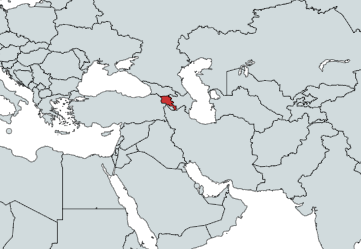
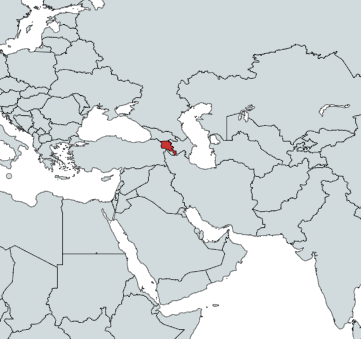
Armenia
Alpha Plus Consulting has implemented a wide portfolio of assignments in Armenia, across private sector development, rural finance, credit infrastructure, regulatory reform, social program evaluation, and sector diagnostics. Our work includes designing finance schemes for agricultural value chains, developing renewable energy project guidelines, conducting microfinance programme evaluations, supporting the establishment of Armenia’s private credit reporting system, assessing remittance-linked investment opportunities, strengthening PRSP monitoring systems, evaluating community-level projects under ASIF, and contributing to competition, regulatory impact assessment, and export promotion initiatives. These engagements reflect over two decades of continuous support for Armenia’s institutions, private sectors, and development programmes.
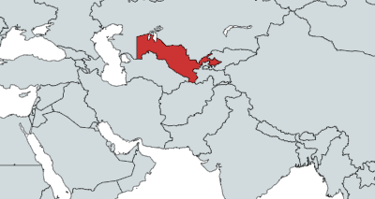
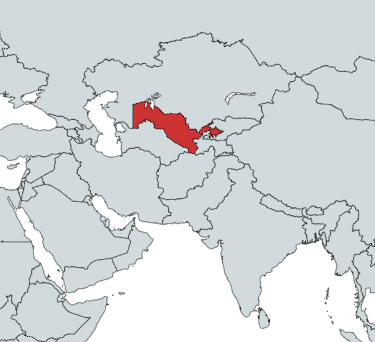
Uzbekistan
Alpha Plus Consulting's work in Uzbekistan centres on green finance, thematic bonds, and institutional capacity building. Through working with the Global Green Growth Institute (GGGI), the firm provided advice on sustainable finance to help local experts understand green loan products, thematic financing tools, and global best practices that apply to Uzbekistan’s financial sector. The assignment included customised training workshops, advice on how ready institutions were, and practical learning materials for banks and ministries. This helped national partners better incorporate green finance principles into their lending and investment planning.
Moldova
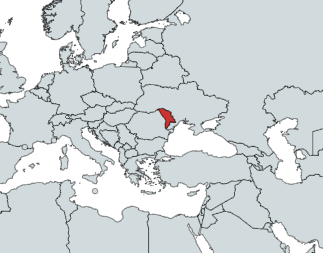
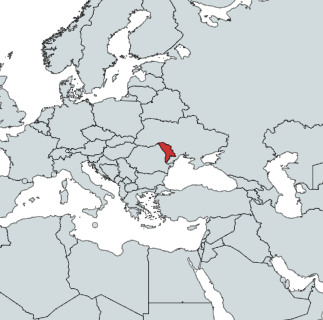
In Moldova, Alpha Plus Consulting supported the Organisation for Economic Co-operation and Development (OECD) by developing a unified, actionable Mid-Term Action Plan for the national Water Supply and Sanitation (WSS) Strategy. The assignment involved consolidating sector objectives, harmonising donor and ministerial inputs, and formulating a policy-conform package aligned with EU directives. The team also prepared a stakeholder engagement framework and implementation mechanisms to support coordination between ministries, regulators, utilities, and international partners. This work contributed to strengthening Moldova’s national planning, service quality goals, and alignment with European water governance reforms.
Kyrgyzstan
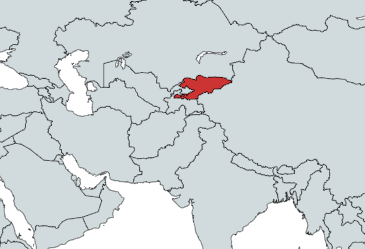
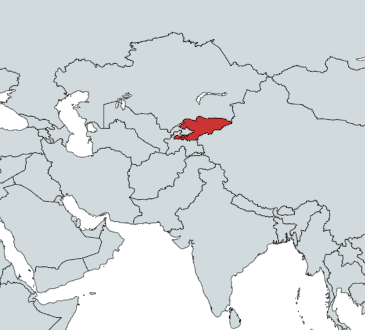
Alpha Plus Consulting carried out the Study on Women Entrepreneurship for the Asian Development Bank (ADB), which focused on identifying the constraints, opportunities, and ecosystem gaps for women-led enterprises in Kyrgyzstan. The research included extensive qualitative and quantitative analysis, covering motivations among women entrepreneurs, regulatory and financial barriers, cultural constraints, and available support mechanisms. The study generated actionable recommendations for strengthening entrepreneurship policies, improving access to finance, enhancing skills development programmes, and designing targeted interventions for women’s business growth. The results informed ADB’s programming on gender-responsive private sector development in the country.
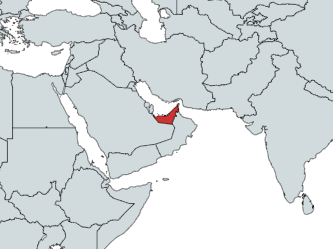
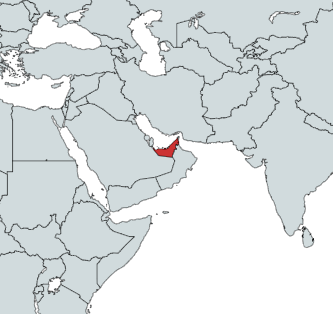
United Arab Emirates (U.A.E.)
Alpha Plus Consulting advised 818 Consulting (U.A.E.) on the development of the HyeProspect Smart City project—an ambitious 100-hectare new city and free economic zone development. The firm contributed strategic planning, economic positioning, FEZ licensing requirements, sustainability standards, and investment attraction strategy. The assignment involved shaping a comprehensive vision for a smart, environmentally responsible urban ecosystem, identifying potential donor and institutional partnerships, and outlining regulatory and operational models to support future investors and residents. The project demonstrates the firm’s capacity to support complex cross-border, multi-stakeholder development initiatives.
India
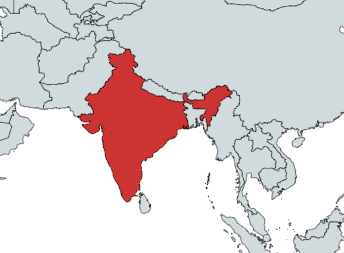
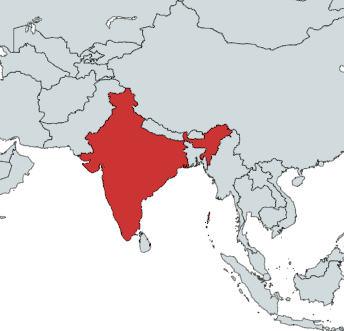
For India, Alpha Plus Consulting served as an independent evaluator of the ECLOF International Microfinance Program, conducting a rigorous institutional assessment of credit technologies, financial controls, operational practices, and borrower behaviour. The assignment assessed portfolio quality, risk management, staff capacity, and the programme’s socio-economic impact—particularly among women borrowers and low-income households. The evaluation made suggestions for how to improve client protection, product design, and financial performance. This work contributed to ECLOF International’s global microfinance standards and informed improvements in local programme management within India.
Tajikistan
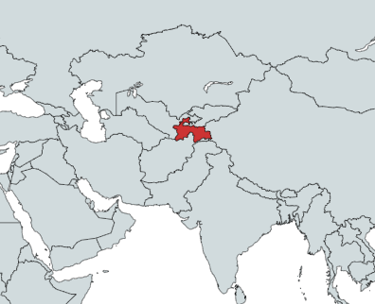
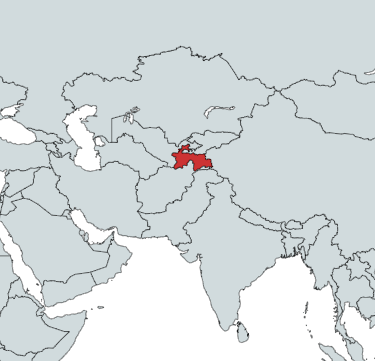
The multi-year project supported by OSCE provided comprehensive advisory and technical support to Tajikistan’s energy authorities, and the Small Hydropower Support Centre aimed to improve the investment climate for small hydropower development. We conducted an in-depth review of existing investment, registration, and operational procedures for small hydropower plants, benchmarked international practices , and developed a simplified and more transparent regulatory framework tailored to the Tajik context. A central component of the work was supporting an inter-ministerial working group in preparing a national action plan to remove regulatory and financial barriers, enhance grid access, introduce appropriate feed-in tariff mechanisms, and establish a predictable tax and permitting regime for small hydropower. The assignment also involved creating clear rules and methods for setting feed-in tariffs, looking at how affordable the tariffs are and their social effects, and preparing a study to see if changing the tariff policy is practical. In addition, we designed the concept of a tariff compensation fund to mobilise donor resources and bridge the gap between economically viable tariffs and existing low electricity prices, alongside proposing pilot schemes, donor engagement mechanisms, and communication efforts to stimulate private investment in the sector.
Georgia
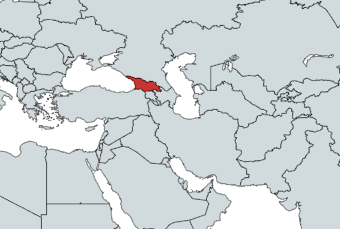
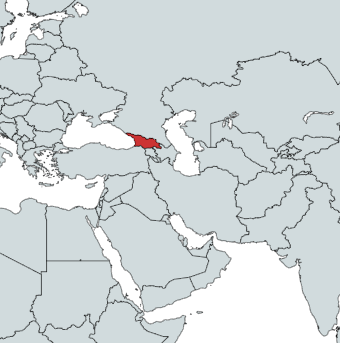
Alpha Plus Consulting has done a number of high-impact analytics and assessments in Georgia. For the World Bank, the firm contributed to the Country Private Sector Diagnostic (CPSD) by identifying constraints to private sector growth, competitiveness gaps, and sectoral opportunities. For USAID/Integra, the firm examined the impact of Russia-related sanctions on Georgia’s economy, including effects on firms with Russian linkages, labor markets, remittances, and regional economic dynamics. These assignments combined economic analysis, sector assessment, and policy recommendations to inform donor programming and national economic strategy.
Bosnia and Herzegovina
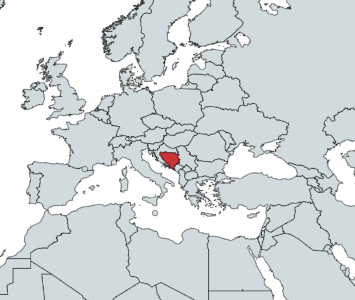
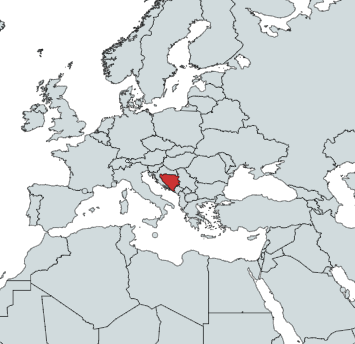
We conducted an independent, comprehensive evaluation of the IOCC Microcredit Program implemented through ZDRAVO in Republika Srpska (Bosnia and Herzegovina), covering program design, implementation, financial performance, governance, and social impact aspects. The assignment involved a detailed review of strategic and operational documents, analysis of loan portfolio data and financial parameters, interviews with key stakeholders, and a structured beneficiary survey designed using stratified random sampling. We assessed the program’s alignment with IOCC’s mission and country operation plans, reviewed lending policies, borrower selection practices, loan products, repayment structures, and risk management arrangements, and examined capacity-building mechanisms within the partner institution. We focused specifically on funds management, interest rate setting, reporting systems, and loan administration processes. Based on the analysis, we developed a set of practical, actionable recommendations aimed at improving targeting of priority groups, introducing more flexible loan products, strengthening staff capacity in cash-flow analysis, enhancing social impact monitoring, and optimising reporting and financial arrangements. The assignment concluded with a structured set of policy options and scenarios for program renewal or expansion, providing IOCC with an evidence-based foundation for strategic decision-making and future program design
Contact
Reach out to discuss your next project
Phone
office@alphaplus.consulting
+971 50 124 08 18 (UAE)
© 2025. All rights reserved.
+374 10 588 920 (Armenia)
+998 90 813 75 65 (Uzbekistan)
ADDRESS
Al Messaned, Al Bataeh, Sharjah, United Arab Emirates
21 Baghramyan Ave., Suite 8/1, Yerevan, 0019, Armenia